
Developing advanced synthetic solutions for tomorrow
Both
synthetic thatch
roofing and
synthetic bamboo
represent a more modern solution to an ancient problem.
Traditionally, thatch roofs were used as effective barriers to prevent wind and water intrusion into a structure. Natural products were used prior to the advancement in manufacturing technology.
However, now there’s no need to rely on harvesting natural resources when better alternatives are on the table.
The Technology Behind Synthetic Thatch Roofing & Synthetic Bamboo
Delivering an Authentic Look

One of the largest downsides to early iterations of synthetic roofing materials was that they lacked the look and feel of their natural counterparts
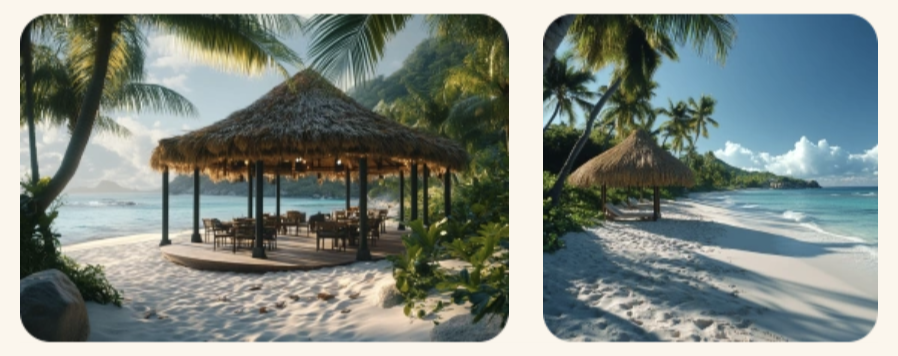
Today, special molds and color methods allow substrates like HDPE to deliver an authentic look that’s nearly impossible to distinguish from the natural version.

Advances in UV protection for materials
This advances have also made synthetic roofing a more acceptable solution. Now, exposure to prolonged sunlight will cause less discoloration and keep its like-new look for many years.

High-Quality Durable Synthetic Roofing
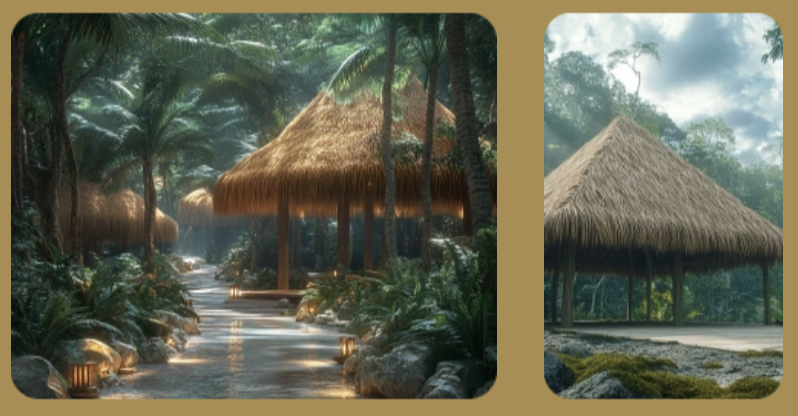
As a key component in any structure, your roof needs to withstand all manner of weather conditions
Additionally, the technology behind synthetic roofing materials allows for better fire resistance than natural materials. It is better for the environment since you no longer need to damage land to harvest materials.

About Pests
Pests are also much more attracted to natural roofing materials, while synthetic roofing materials are naturally resistant to termites and other pests.
Technology Brochures
Frequently Asked Questions About Synthetic Roofing Technology
Explore key technical considerations behind ExoPalm synthetic roofing, from material performance and UV exposure to weather resistance, installation and project specifications.
How is synthetic thatch different from natural thatch?
Natural thatch is made from organic materials such as palm leaves, reeds or grasses that naturally deteriorate when exposed to sun, moisture and changing weather conditions. Synthetic thatch is an engineered alternative designed to reproduce the visual character of natural thatch while providing more consistent durability, weather resistance and maintenance requirements. Compare synthetic and natural thatch in detail.
How does ExoPalm synthetic roofing handle UV exposure?
ExoPalm synthetic roofing is engineered for prolonged outdoor exposure, including environments with significant sunlight and UV exposure. UV resistance is an important part of maintaining material integrity and a more consistent appearance over time. Actual long-term performance can vary according to climate, orientation, installation and environmental conditions.
Is synthetic thatch designed for rain, humidity and harsh weather?
Yes. Synthetic thatch is particularly useful for projects where rain, humidity, sunlight and changing weather conditions make natural organic materials more difficult to maintain. ExoPalm products are engineered for demanding outdoor environments. Roof design, substrate, drainage and correct installation remain important factors in the overall performance of the completed roofing system.
Can synthetic thatch be used in high-wind areas?
Synthetic thatch can be specified for projects in areas where wind exposure is an important design consideration. Performance depends not only on the roofing material but also on roof geometry, substrate, fastening methods, structural design and installation. Projects in high-wind or storm-prone regions should be evaluated according to the applicable project requirements and local building regulations.
Is ExoPalm synthetic thatch fire resistant?
Fire performance is an important consideration when specifying synthetic roofing, particularly for hospitality and commercial projects. Applicable requirements can vary by product, assembly, project type and jurisdiction. Architects, contractors and developers should refer to the relevant ExoPalm technical documentation and verify the fire-performance requirements applicable to their specific project before specification or installation.
How is ExoPalm synthetic thatch installed?
Synthetic thatch is installed in overlapping layers to create coverage, depth and the natural appearance associated with traditional palm or thatch roofing. The exact layout and attachment method depend on the ExoPalm product, roof structure, geometry and project conditions. Installers should follow the current ExoPalm installation recommendations for the product being specified.
What factors affect the lifespan of synthetic roofing?
Service life can be influenced by UV exposure, climate, roof orientation, surrounding vegetation, structural design, installation quality and maintenance. Engineered synthetic roofing avoids the natural decomposition associated with organic palm leaves and grasses, making it a practical option when long-term performance and reduced maintenance are important project objectives.
What technical information should architects and contractors review?
Before specifying a synthetic roofing system, project professionals should review product characteristics, installation requirements, roof geometry, fastening considerations, environmental exposure and any performance requirements applicable to the project. ExoPalm provides technical resources to support architects, contractors and developers during product evaluation and project planning. Visit our resources for architects.
Need technical information for a project?
Share your plans, specifications or project requirements with
ExoPalm to discuss the appropriate synthetic roofing solution.